ROSEMOUNT 400-11-50 Endurance Conductivity Sensor
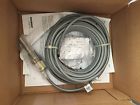
( Brand: Rosemount ), ( Model: ENDURANCE 400-11-50 ), ( Type: Conductivity Meter )
Review ROSEMOUNT Endurance Conductivity Sensor
The 400-11-50 Rosemount Endurance Conductivity Sensor is a high-performance instrument designed for process monitoring in various industrial applications. This sensor is part of Emerson's Rosemount product line, known for its reliability and accuracy in harsh process environments.
The 400-11-50 Rosemount Endurance Conductivity Sensor is a versatile tool, capable of measuring conductivity and total dissolved solids (TDS) in a wide range of liquids, including water, brine, and chemical solutions. The sensor uses a four-electrode technology, which ensures high accuracy and stability over time.
The sensor housing is made of 316L stainless steel, providing excellent corrosion resistance in high-temperature, high-pressure, and high-chemical environments. The sensor also features a ceramic-coated, titanium electrode, which is highly resistant to abrasion and fouling, ensuring long-term reliability and minimal maintenance.
The sensor is equipped with Emerson's advanced SmartWire Digital technology, which allows for easy installation, calibration, and diagnostics. The digital signal transmitted by the sensor is robust, providing reliable communication over long distances and in noisy environments.
The 400-11-50 Rosemount Endurance Conductivity Sensor is also designed with safety in mind. It features a double seal design, which prevents leakage and reduces the risk of process contamination. The sensor also complies with various international safety standards, ensuring safe operation in hazardous areas.
In summary, the 400-11-50 Rosemount Endurance Conductivity Sensor is a reliable, accurate, and versatile instrument for process monitoring in harsh environments. Its innovative design, advanced technology, and robust construction make it an excellent choice for industrial applications requiring high-quality conductivity measurement.
Pros of buying a 400-11-50 Rosemount Endurance conductivity sensor:1. High-quality construction: The sensor is made with high-quality materials, ensuring its durability and reliability in harsh industrial environments.
2. Long service life: The Rosemount Endurance conductivity sensor is designed to last longer than traditional sensors, reducing maintenance and replacement costs over time.
3. Accurate measurements: The sensor provides accurate and consistent conductivity measurements, ensuring proper process control and optimization.
4. Easy installation and maintenance: The sensor can be easily installed and maintained, reducing downtime and labor costs.
Cons of buying a 400-11-50 Rosemount Endurance conductivity sensor:1. Higher initial cost: Compared to traditional conductivity sensors, the Rosemount Endurance sensor is more expensive upfront.
2. Limited compatibility: The sensor may not be compatible with all process control systems, requiring additional equipment or software modifications.
3. Complex calibration process: The sensor may require a more complex calibration process than traditional sensors, requiring specialized knowledge and equipment.
Conclusion:The 400-11-50 Rosemount Endurance conductivity sensor offers several advantages, including high-quality construction, long service life, and accurate measurements. However, its higher initial cost and limited compatibility with some systems may be a drawback for some users. Ultimately, the decision to purchase the sensor should be based on the specific needs and budget of the user. If the benefits of the sensor, such as its long-term cost savings and improved process control, outweigh its initial cost and compatibility limitations, then it may be a worthwhile investment.
Recommendation:If the user is looking for a reliable and durable conductivity sensor that can provide accurate measurements in harsh industrial environments, the 400-11-50 Rosemount Endurance conductivity sensor may be a good fit. However, the user should carefully consider the initial cost and compatibility with their existing process control system before making a final decision. It may be helpful to consult with a technical expert or conduct a cost-benefit analysis to determine whether the sensor is the best fit for their specific needs.
Details:
part #: 4001150 prices
- $837.00-$1071.93
specifications analyticalinstrumentzo:
- brand: Rosemount
- model: Endurance 400-11-50
- type: Conductivity Meter
Payments analyticalinstrumentzo:
- PayPal
Seller analyticalinstrumentzo:
- zipcode: 89014
- city: Henderson, Nevada
Shipping analyticalinstrumentzo:
- type: Calculated
- handling: 3 days
Ratings:
- Arrived quickly and safely. Thank you ! 01-25-17
- Very good seller 02-07-17
- Good looking new surplus parts! 01-17-17
- Prompt and to the point. We got what was adveratised. Thank you. 02-02-17
- Good Products! Good Seller! 01-20-17
General analyticalinstrumentzo:
- condition: New other see details
- in stock: Yes
- business industrial > healthcare life science lab equipment business industrial > analytical instruments lab equipment
Returns analyticalinstrumentzo:
- details: Items which are shipped as NEW will not be accepted nor refund granted if item shows any sign of damage or use. Purchase shall constitute agreement that once buyer has installed and placed the purchased item/s into service, buyer shall indemnify the seller against any and all future claims arising from the service, damage or malfunction of purchased items. It is the sole responsibility of the buyer to implement proper usage of item purchased from seller and holds seller free of any liability for injury, loss, or death resulting from use or misuse. International Sales: please be advised we are not responsible for taxes/tariffs, customs delays or holds.
- time: 14 Days
- policy: returns accepted
- paid by: Buyer
- type: Money Back
Offer analyticalinstrumentzo:
- bids: 0
- Started: March 21, 2017, 9:37 am
- Sold: 0
- best offer: true
- quantity: 2
Rosemount 400-11-50 Is Similar To:
- D0-1 05000703865 Analytical Conductivity Cell Rosemount (46.2% similar) ...(January 4th, 2015)
- 05010793468 Rosemount Analytical 414 Conductivity (53.1% similar) F, 200 pig P/N Rosemount analytical 414 conductivity sensor - new surplus 212 deg...(June 29th, 2017)
- 05010794851 Rosemount Analytical Conductivity Sensor (65.3% similar) Rosemount analytical conductivity sensor model 555CATALOG: 1 location: 1-7...(May 22nd, 2018)
- 1054b 1054bc-02 B341500 Rosemount Microprocessor Analyzer 230v-ac Conductivity (40.9% similar) Our daily shipping cut off is 3/0 0PM eastern time. For cancelled orders, a 35 service fee will apply...(January 6th, 2015)
- 140-55 140 55 14055 Rockwell Automation Ab Allen Bradly New Sealed Rosemount Analytical Conductivity (37.6% similar) PDF new sealed in the factory packaging Rosemount analytical contacting conductivity meter probe retractable when used with ball valve kit not included hi temp 212 to 392 degrees f or 100 200 Celsius. Documents automation drawing model SERIES-400-ENDURANCE-SENSORS-EN-72672. PDF wiring instructions. ...(April 16th, 2018)
- Conductivity 400vp-12-36 B17 Rosemount Analytical 1824 Sensor Endurance (31.7% similar) For domestic and 10. Items shipped by USPS cannot be tracked. Bitter end trading is an asset recovery wholesaler specializing in new and used surplus industrial equipment. Domestic shipping. Rosemount analytical endurance conductivity sensor model 400VP in original, factory sealed box new other ...(May 7th, 2015)
- 56-03-21-38-ht Rosemount Analytical Conductivity Analyzer Dual (52.3% similar) Matrix: ht 03 power: vac switching, 50 60 Hz with 4 alarm relays 21 measurement 1: torridly conductivity 38 2: none communication: hart digital communication standard high resolution full-color screen easily viewed process measurements and on-screen data trend graphs. Also includes synchronized ...(March 10th, 2017)
- B353417 1054a Rosemount Microprocessor Conductivity Analyzer Module 1054ac (45.5% similar) For cancelled orders, a 35 service fee will apply...(February 22nd, 2015)
- 499ado 0499ado-54 Rosemount Analytical Sensor Analyzer 54 (47.2% similar) ...(June 5th, 2016)
- Xmt-t-ht-11 Rosemount Analytical Used Toroidal Conductivity (48.1% similar) This was working when removed, but I have no way to test it now, so is being sold as...(March 8th, 2017)
