HITACHI 287Y129 Fmbio Flourescence Imaging Scanner Repair
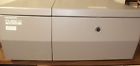
( Brand: Hitachi ), ( Model: 287Y129 ), ( Type: Fluorescence Scanner ), ( Country/region Of Manufacture: Japan )
Review HITACHI Fmbio Flourescence Imaging Scanner Repair Parts
The Hitachi FMBIO Fluorescence Imaging Scanner (Model 287y129) is a high-performance, advanced imaging device designed for fluorescence microscopy applications. This repairable unit features a state-of-the-art CCD camera for capturing detailed, high-resolution images with exceptional sensitivity and signal-to-noise ratio. The scanner comes equipped with a wide range of excitation and emission filters, enabling users to optimize imaging for various fluorescent markers and probes.
The 287y129 model is built with a robust and durable construction, ensuring long-term reliability and stability in a laboratory environment. It includes a user-friendly interface, making it easy for researchers to operate and navigate the system, even for those with minimal technical expertise. The scanner also features an automatic stage movement function, enabling seamless scanning of large samples with high precision and accuracy.
In case of any technical issues, the Hitachi FMBIO Fluorescence Imaging Scanner (Model 287y129) can be repaired by experienced technicians. The unit's modular design allows for easy access to critical components, making it easier for repair professionals to diagnose and fix any malfunctions. The repair process typically involves identifying the faulty part, ordering a replacement, and completing the installation.
In summary, the Hitachi FMBIO Fluorescence Imaging Scanner (Model 287y129) is a powerful and versatile tool for fluorescence microscopy applications. Its advanced features, durability, user-friendly interface, and ease of repair make it a valuable asset for any research laboratory. Whether you are a seasoned researcher or a newcomer to the field, this scanner can help you unlock the secrets of your samples with unprecedented clarity and precision.
Pros of buying a 287y129 Hitachi FMBIO Fluorescence Imaging Scanner for repair:1. High-quality and reliable: Hitachi is a well-known brand in the field of medical equipment, and the 287y129 FMBIO Fluorescence Imaging Scanner is known for its excellent performance and durability.
2. Versatile: The scanner can be used for various applications, including cell biology, molecular biology, and drug discovery.
3. Cost-effective: Repairing an existing scanner can be more cost-effective than purchasing a new one, especially if the scanner is still in good working condition.
Cons of buying a 287y129 Hitachi FMBIO Fluorescence Imaging Scanner for repair:1. Limited availability of parts: Older models of medical equipment may have limited availability of replacement parts, which can make repair more difficult and expensive.
2. Technical expertise required: Repairing a fluorescence imaging scanner requires specialized technical knowledge and skills, which may not be available in-house or may be expensive to outsource.
3. Risk of further damage: If the repair is not done correctly, it can cause further damage to the scanner, which may result in more expensive repairs or even replacement of the scanner.
Conclusion:Buying a 287y129 Hitachi FMBIO Fluorescence Imaging Scanner for repair can be a cost-effective option if the scanner is still in good working condition and if the required technical expertise is available. However, it is important to consider the limited availability of parts, the risk of further damage, and the technical expertise required before making a decision. It may be advisable to consult with a professional repair service to assess the feasibility and cost-effectiveness of the repair.
Recommendation:If the repair cost is significantly lower than the cost of a new scanner and the required technical expertise is available, then repairing the 287y129 Hitachi FMBIO Fluorescence Imaging Scanner can be a good option. However, if the repair cost is high or if the scanner is old and has many issues, it may be more cost-effective to invest in a new scanner with better performance and reliability. Before making a decision, it is important to weigh the pros and cons and consult with a professional repair service to ensure that the repair is feasible and cost-effective.
Details:
Weight about 80 lbs. No further test with computer.
No calibration.
specifications analyticalinstrumentzo:
- brand: Hitachi
- model: 287y129
- type: Fluorescence Scanner
- country/region of manufacture: Japan
Offer analyticalinstrumentzo:
- quantity: 1
- best offer: false
- Started: October 10, 2017, 6:21 pm
- Sold: 0
- bids: 0
Shipping analyticalinstrumentzo:
- type: NotSpecified
General analyticalinstrumentzo:
- business industrial > healthcare life science lab equipment business industrial > analytical instruments lab equipment
- condition: Used
- in stock: Yes
Ratings:
- Fast shipping but could have been sent in a flat rate cutting shpg cost in half 09-19-17
- excellent seller very fast thank you 09-27-17
- Fast shipping and very well packed. Thank you! 09-20-17
- Excellent seller - thank you very much. 09-28-17
- great item, good price. received safely and in good condition 09-27-17
Returns analyticalinstrumentzo:
- policy: no returns
Payments analyticalinstrumentzo:
- PayPal
Seller analyticalinstrumentzo:
- city: Sunnyvale, California
- zipcode: 94089
